A pilot project conducted at Dona Regina Hospital and Maternity Center is testing biometric data collection from newborns for future issuance of National ID cards
/i.s3.glbimg.com/v1/AUTH_59edd422c0c84a879bd37670ae4f538a/internal_photos/bs/2026/u/t/ndf20hQHK4HA8ZOzJ0AA/img-7291jpeg.jpeg)
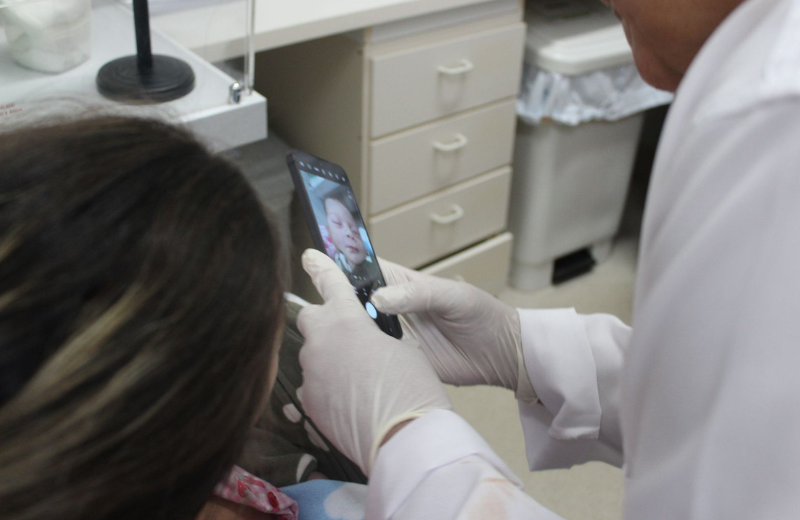
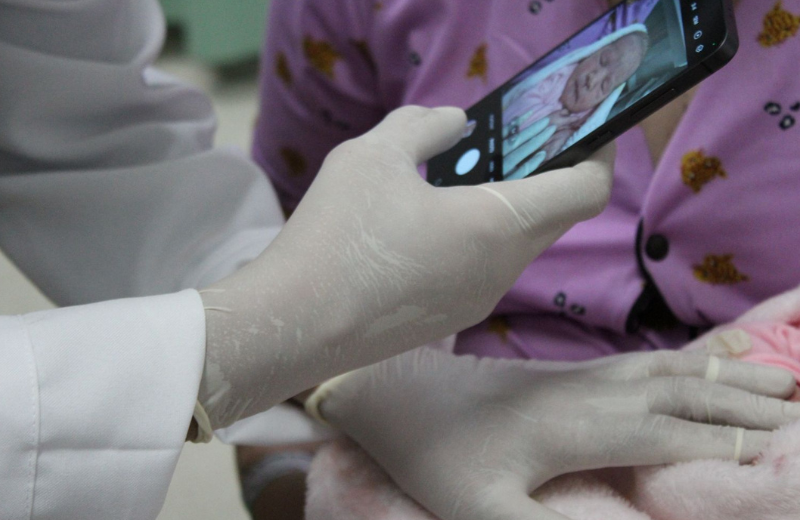
Iris scans are also recorded in the neonatal identification program in Tocantins — Photo: Courtesy of SSP
Babies born at the Dona Regina Hospital and Maternity Center in Palmas are participating in a pilot biometric identification project that could enable the issuance of a National Identity Card (CIN) within the first few days of life. The initiative is being carried out by the Tocantins Public Security Secretariat (SSP) and will remain in the testing phase through this Sunday (31).
According to the SSP, the project evaluates equipment, software, and service workflows for the future implementation of neonatal identification in the state. During the tests, facial images, periocular iris scans, and fingerprints are collected from newborns one to two days after birth.
The proposal is to allow for civil identification to begin in the first days of life, linking the child’s biometric data to the identification systems used in the country. In addition to issuing documents, the technology can also be used as a security tool within maternity wards.
According to Elaine Monteiro Tonon, director of the Tocantins Identification Institute, the trial period will be used to evaluate all stages of the care provided in the maternity ward and to refine procedures before the system is fully implemented.
Similar initiatives have already begun to be tested in other Brazilian states. Among the objectives outlined by the projects are the expansion of civil identification from birth, the enhancement of safety for newborns, and the reduction of risks related to baby swaps and disappearances.
During the initiative in Palmas, teams also advise parents and guardians on the importance of official identification for accessing services and rights in the areas of health, education, and social assistance.
This content was published on G1 on May 31, 2026, and can be accessed at this link.