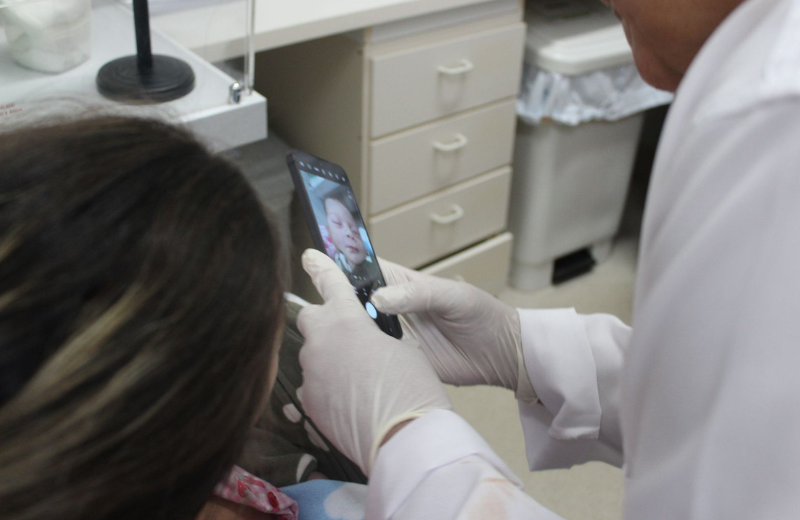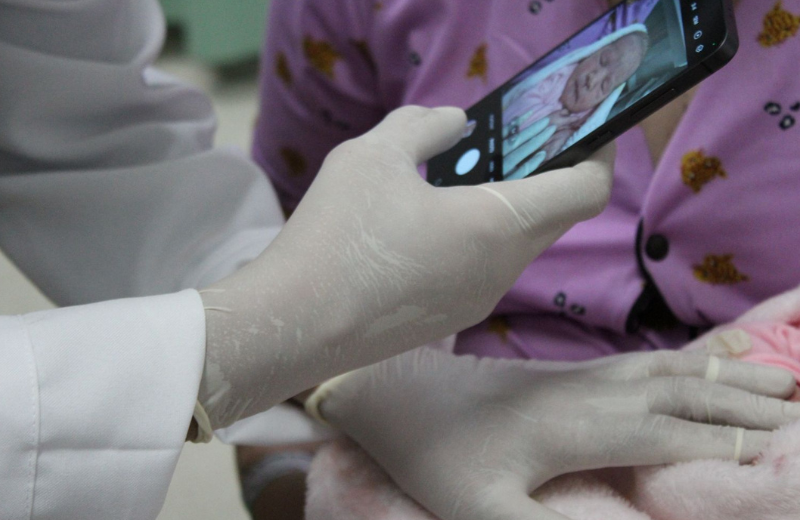
The Automated Biometric Identification System (ABIS) developed byGriaule, a company that was incubated at Unicamp, has just been named a finalist for an award that recognizes technology companies’ solutions that have a positive impact on public administration. Out of 156 participants, Griaule was selected as the fourth-place winner at the GovTech Summit 2026, one of the most important initiatives recognizing digital transformation in Brazil’s public sector. The event brought together national and international leaders from technology companies and startups on June 2 and 3 in Porto Alegre, with approximately 1,600 representatives from the public and private sectors in attendance.
“The award reinforces Griaule’s commitment to continuing to develop biometric recognition solutions for digital identity, contributing to a public service that is more efficient, secure, and accessible to all Brazilians,” says Thiago Ribeiro, Griaule’s business director.
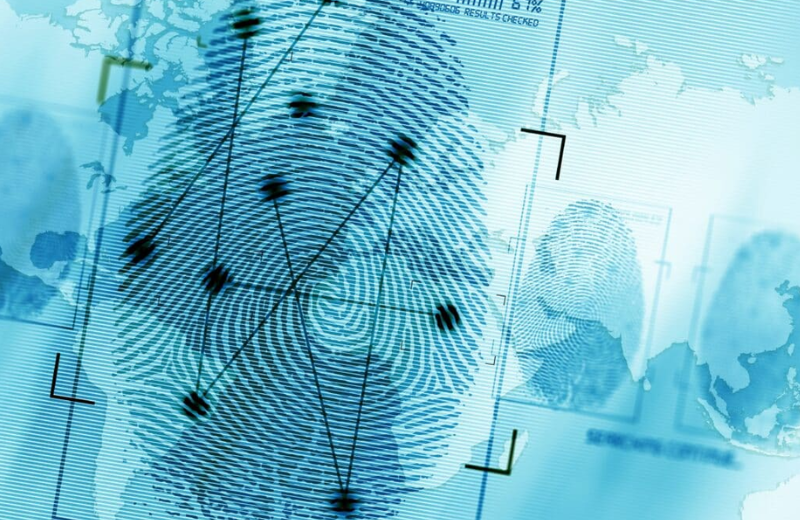
The system works by comparing fingerprints and facial biometric data, one by one, with all other records stored in a large-scale database. The technology enables the issuance of more than 200 million identity documents in Brazil, has a significant social impact by strengthening election security (preventing approximately 25,000 potential cases of fraud), and supports public safety through more than 10,000 monthly criminal investigations using fingerprint fragments.
“The system performs cross-checks across multiple biometric modalities, uses multi-factor authentication, and employs advanced encryption, generating automatic alerts when inconsistencies or suspected fraud are identified. With extremely high precision, we ensure that each set of biometric data is linked to a unique identity, eliminating duplicates, which guarantees the integrity and reliability of the database,” says Ribeiro.
Griaule’s biometric recognition technologies are rigorously tested for vulnerabilities, and their security is audited by independent institutions. The company holds more than 30 international certifications and awards, including those from NIST (National Institute of Standards and Technology), an agency of the U.S. Department of Commerce, and the FBI, ensuring the highest level of security and reliability. Since 2014, Griaule has been the leading provider of biometric data and processing services for the Superior Electoral Court (TSE), which maintains one of the world’s largest databases, containing information on nearly 160 million people.
About Griaule
Griaule is the largest company in the Americas specializing in biometric recognition systems. It promotes research and innovation in partnership with Unicamp and has been developing, for over 20 years, the technology that ensures the reliability of ID cards and elections. It has also created an investigative solution used by the Federal Police, a sort of “Brazilian CSI.”
The company has more than 4,000 clients in over 70 countries, including Brazil’s Superior Electoral Court and the U.S. Pentagon, as well as several state governments, such as those of Rio Grande do Sul, Santa Catarina, and Bahia. Griaule has been recognized twice by the Financial Times as one of the 500 fastest-growing companies in the Americas, on the “America’s 500 Fastest Growing Companies” list. Learn more about the company here.
About Incamp
The Unicamp Technology-Based Business Incubator (Incamp) is part of the Unicamp Science and Technology Park, managed by Inova Unicamp, throughpre-incubation and incubation programs. Participating companies receive technical support, specialized mentoring, and networking opportunities for up to three years. Companies can participate as non-residents or as resident companies. The Unicamp Park comprises a complex of six buildings designed to attract and support companies active in science and technology and offers a variety of facility options.
Learn about the metrics and success stories in the activity reportpublished in the Inova Unicamp library.
Visit the Unicamp Park and Incamp websitesto learn more about this ecosystem.
This content was published by the Unicamp Science and Technology Park on June 18, 2026, and can be accessed at this link.