New technology combining AI and neonatal biometrics promises to improve safety in maternity wards and prevent baby mix-ups in Brazilian hospitals
A new technology based on artificial intelligence and neonatal biometrics has begun to transform security systems in Brazilian maternity wards. The goal is to replace the old method of taking a baby’s footprint with ink with a digital process capable of creating a biometric identifier right in the delivery room.
The technology uses high-resolution scanners and AI algorithms to capture microscopic details of a newborn’s skin. The goal is to prevent baby mix-ups and reduce errors in the identification process.
Industry estimates indicate that, historically, there has been approximately one case of a newborn being switched for every 6,000 births in Brazil.
Old method deemed flawed
For decades, maternity wards have used ink-based footprints on paper as the primary form of identification for babies. The system, however, faces technical challenges. According to industry experts, a newborn’s skin has a protective oily layer and very fine biometric lines, which often result in blurry, low-quality images. With digital neonatal biometrics, identification is now performed by scanners with a resolution exceeding 5,000 DPI. Artificial intelligence processes the images, removes noise, and identifies the micro-lines on the skin to generate a unique digital identity for the baby.
How neonatal biometrics works
The process takes place immediately after birth and is performed digitally.
Biometric capture
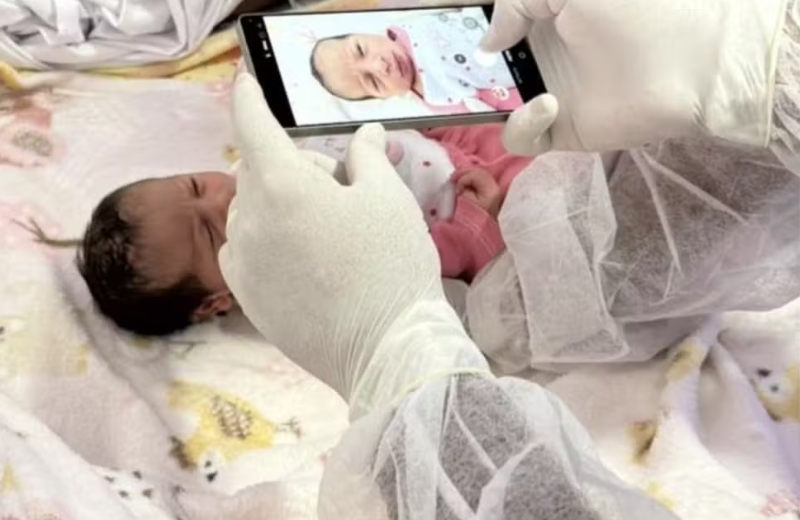
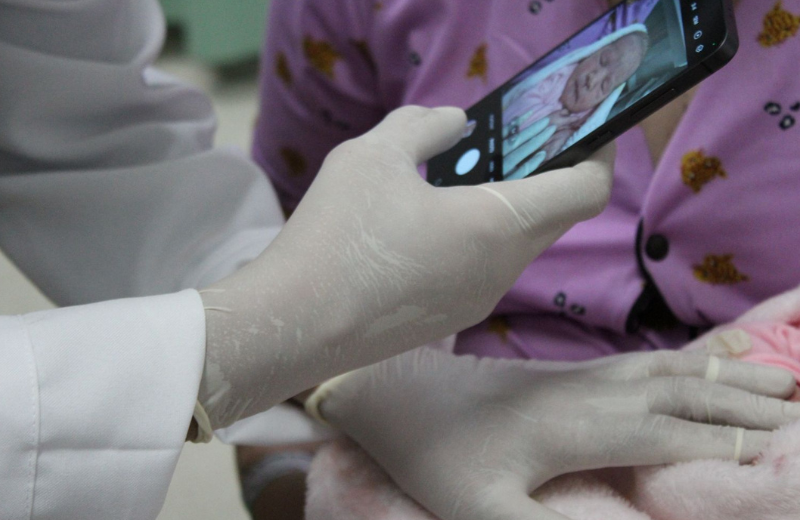
Seconds after delivery, the newborn’s heel or finger is placed on a digital reader for biometric data collection. At the same time, the mother’s fingerprint is also recorded.
Data cross-referencing
The data is analyzed by artificial intelligence, which links the mother and baby directly to the Live Birth Certificate (LBC). According to the system presented, the biometric data remains encrypted.
Security alerts
If there is any attempt to leave the hospital with a switched baby, the system can issue an immediate security alert.
Technology has already begun to be used in Brazil
Neonatal biometrics is already present in Brazilian maternity wards. Companies such as Griaule, responsible for the Baby ID system, and NEC, with Smartscan Neonatal, are among the suppliers of the technology to public and private hospitals. In the public health system, Paraná has expanded the system to all state maternity hospitals. Goiás has also made progress in implementing neonatal identification in partnership with law enforcement agencies.
Bill aims to expand the system nationwide
In the National Congress, proposals such as Bill 1626/25 seek to make high-precision neonatal biometrics mandatory in delivery rooms across Brazil. The proposal aims to make biometric identification of newborns a permanent hospital security policy.
This content was published on the PE 360 website on May 22, 2026, and can be accessed at this link.