How can we ensure that a newborn leaves the maternity ward with the right family? This issue has once again come to the forefront in Brazil after a court in Goiás ordered Hospital São Sebastião, in Inhumas, to pay R$1 million in compensation to the families of two boys who were switched shortly after birth in 2021. The error, discovered only three years later, revealed flaws in newborn identification systems and reignited the debate over the use of biometric technologies in Brazilian maternity wards.
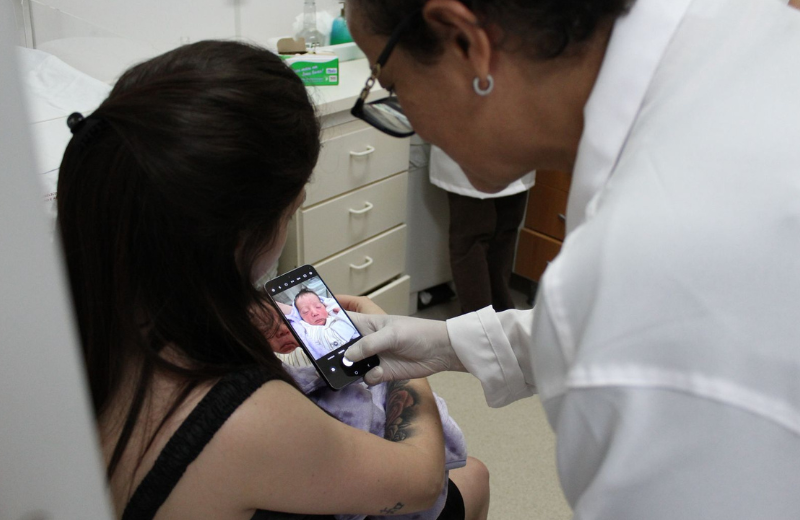
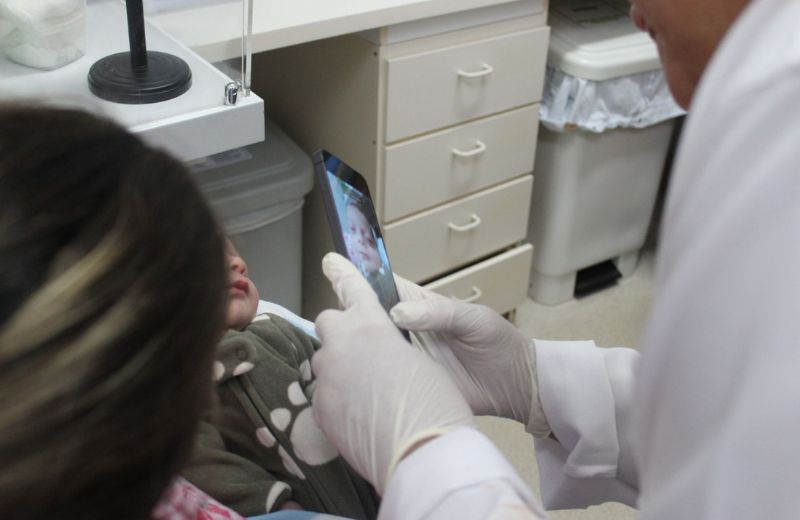
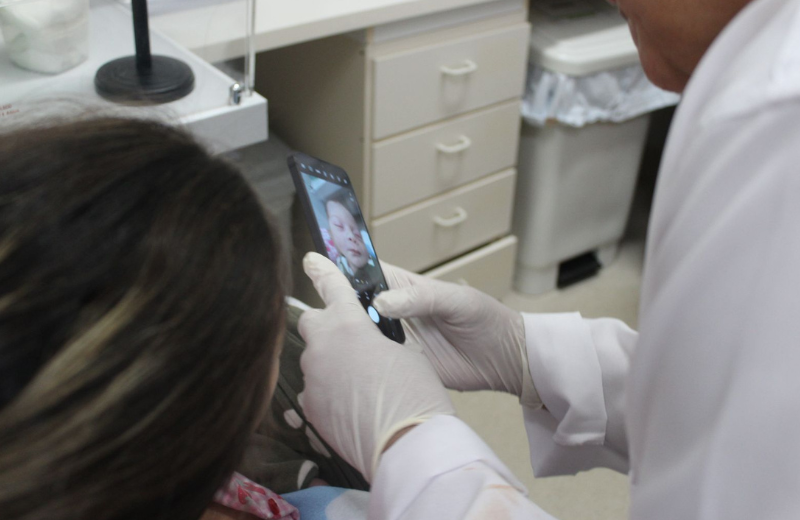
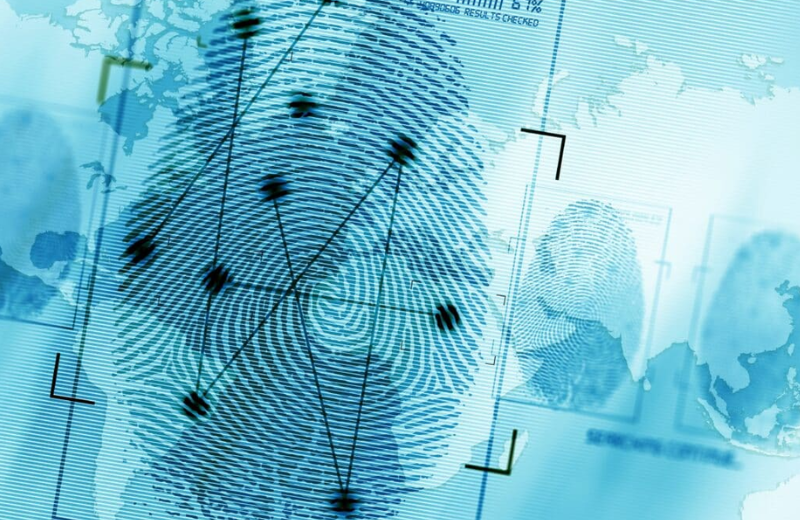
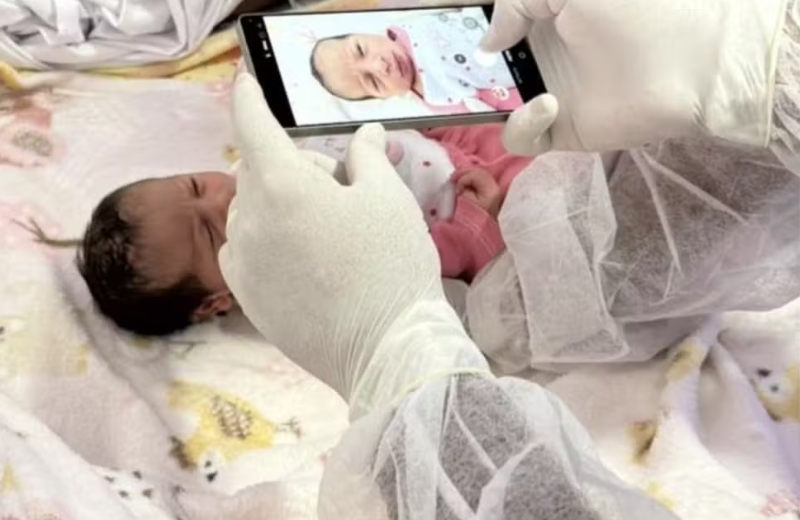
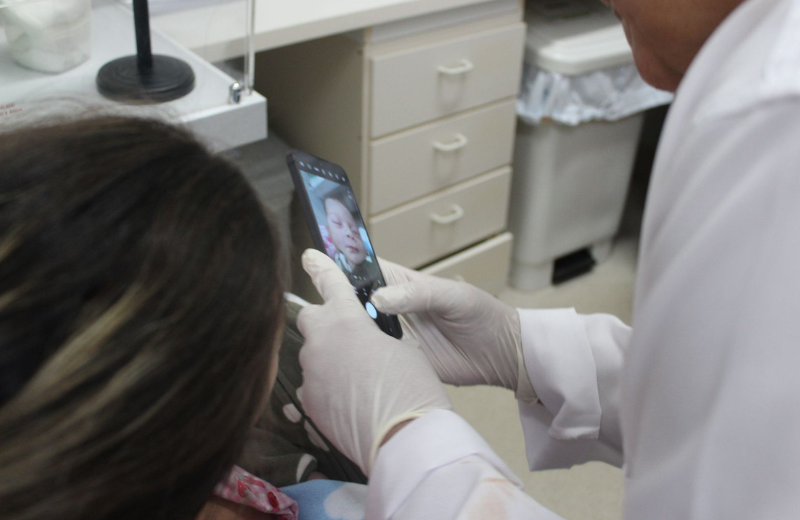
With the aim of preventing this type of problem, researchers atUnicamphave developed the BabyID tool. This innovative technology uses artificial intelligence to identify babies through biometrics, using only the camera on a standard smartphone, eliminating the need for physical contact or specialized equipment.
Developed in partnership with the Brazilian company Griaule and the Institute of Computing atUnicamp, the solution captures the baby’s fingerprints, face, and iris shortly after birth. This data is linked to the mother’s information, creating a continuous biometric record from the very first days of life.
One of the biggest challenges for biometric identification in newborns is that their fingerprints are small and lack detail, making them difficult to capture using conventional methods. To overcome this, the tool uses artificial intelligence to digitally process the images, correcting distortions and enhancing the definition of biometric details.
The incident that occurred in Goiás
In October 2021, two babies were born at the Women’s Hospital in Inhumas, in the Goiânia Metropolitan Area. The mix-up of the newborns was discovered three years later, when one of the fathers, suspicious of his paternity, underwent a DNA test that indicated genetic incompatibility not only with the alleged father but also with the mother who had raised the child since birth. The family then located another couple who had had a child at that same maternity hospital on the same day. A new test confirmed that the boys had been switched after birth.
In October 2025, the court ordered that the children undergo a gradual transition between their biological families and the families who raised them, with planned visits between the two couples and the boys. The birth certificates were updated to include the names of both sets of parents.
Recently, the Court of Justice of Goiás ordered the hospital to pay compensation for emotional distress to the families, acknowledging shortcomings in the hospital’s care.
Test results and the technology's potential
BabyID was developed over a period of four years, including academic research for master’s and doctoral degrees atUnicamp. The technology was tested in Santa Catarina using a database of approximately 5,000 sets of fingerprints collected at different stages of the individuals’ lives.
According to Griaule, the tool achieved a correct recognition rate of 99.77%, even when comparing images taken during the first year of life with others taken up to age 16.
In addition to preventing baby swaps in maternity wards, the equipment can be useful in cases of missing children and for improving civil registration. Data from the Ministry of Justice and Public Security indicate that approximately 24,000 children and adolescents went missing in Brazil in 2025, a daily average of 66 cases.
Brazilian law already includes provisions for the identification of newborns. The Statute of the Child and Adolescent (ECA), in effect since 1990, guarantees this right. In addition, a 2018 Ministry of Health ordinance requires that Live Birth Certificates be linked to the biometric records of the baby and the mother.
This content was published on the Notícias do Planalto website on May 22, 2026, and can be accessed at this link.