's Neonatal Biometric Data Collection and Registration

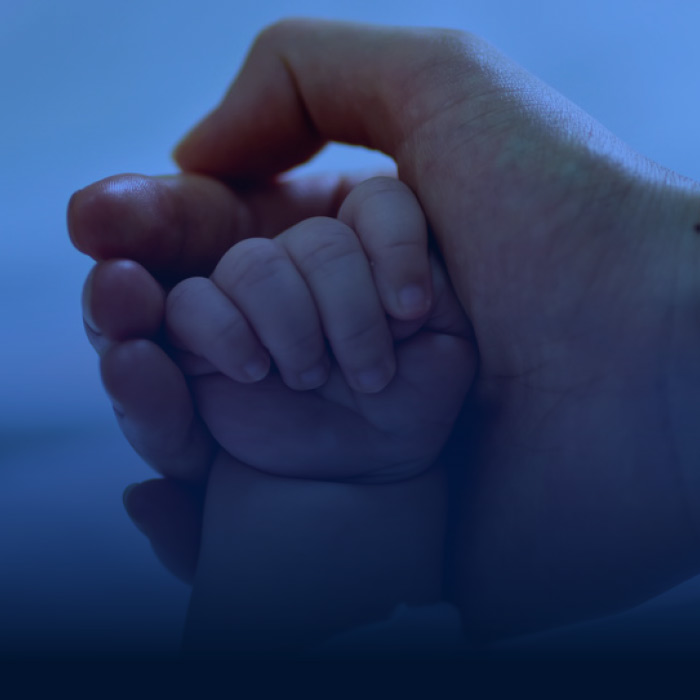
The Baby ID is Griaule’s solution that combines multi-biometrics, artificial intelligence, and smartphones to identify newborns and children, establishing a secure link between the baby and their legal guardian.

Its biometric algorithms are evaluated in independent tests conducted by NIST (National Institute of Standards and Technology) and other leading international institutions.

More than just an innovative technology, Baby ID represents an essential identity infrastructure for building a secure, inclusive, and trustworthy digital society from birth.

Secure identification
from birth

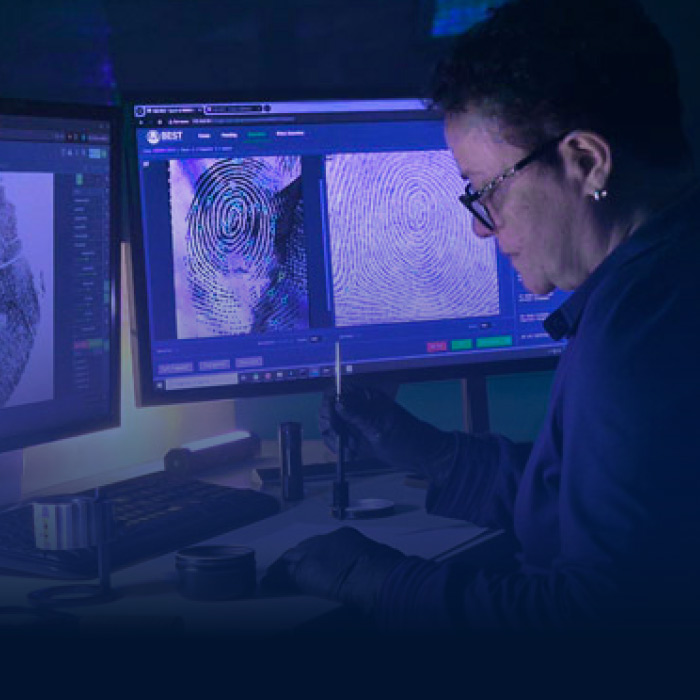
The Baby ID integrates with ABIS systems, enabling identity verification, deduplication, and management in government databases. Biometric data collected:

• Fingerprints;

• Face;

• Iris;

• Periorbital region.

Collection steps

Multibiometric data collection with Baby ID takes place in three steps:

1. Consent:
Presenting the solution to the family and obtaining their consent, in accordance with the LGPD.

2. Sanitation:
Implementation of biosafety protocols.

3. Neonatal data collection and registration:
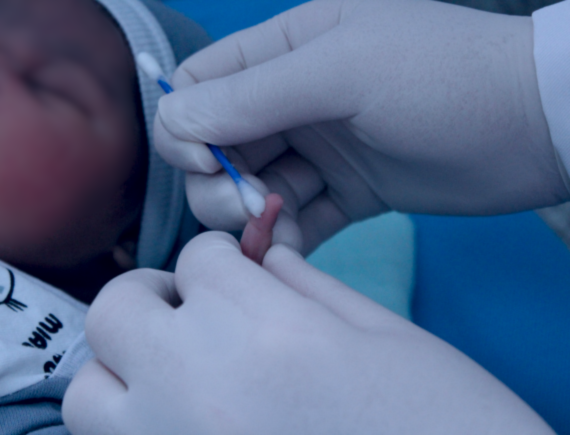
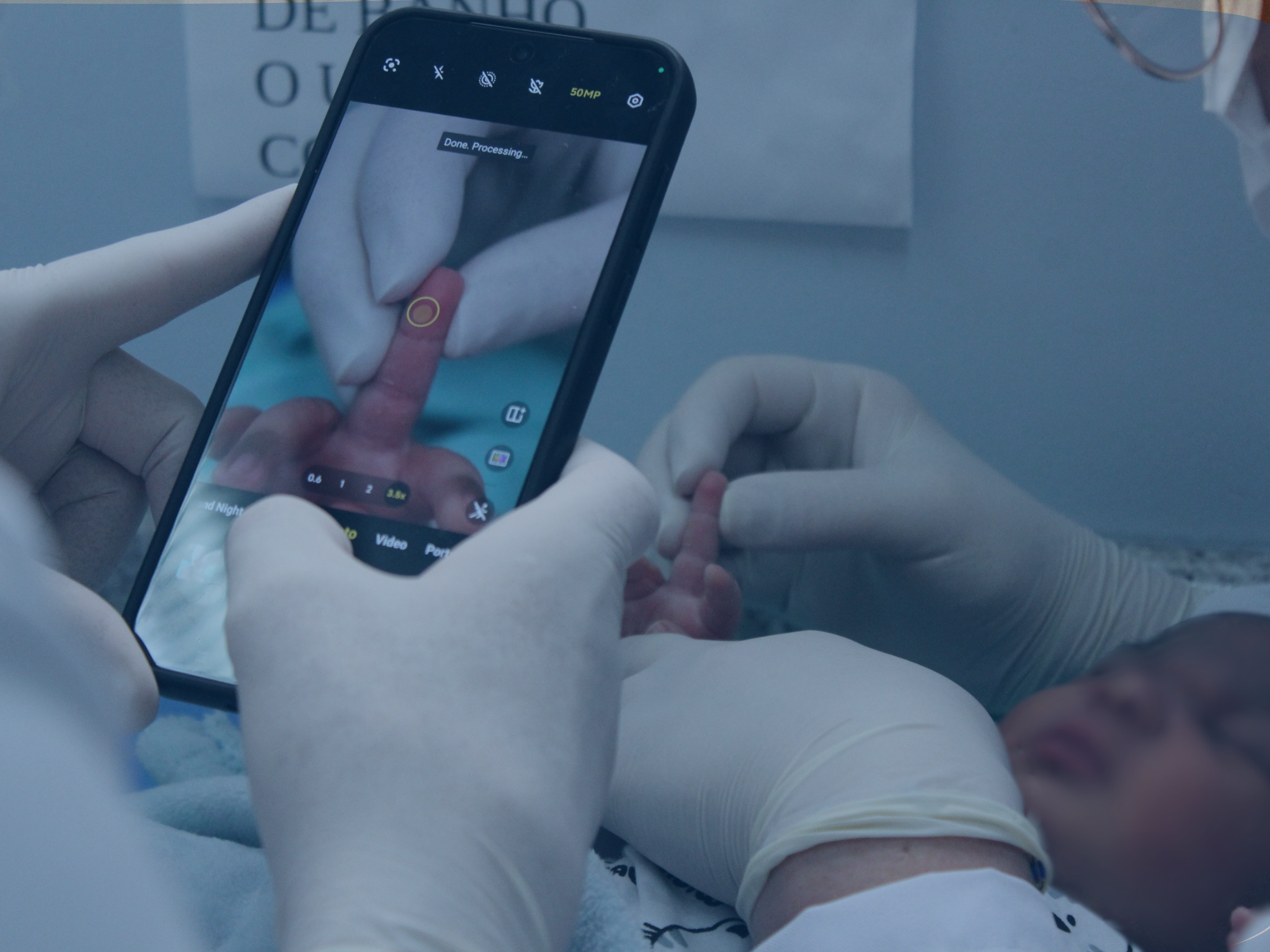
Collection of biometric data from newborns.

Ease of use

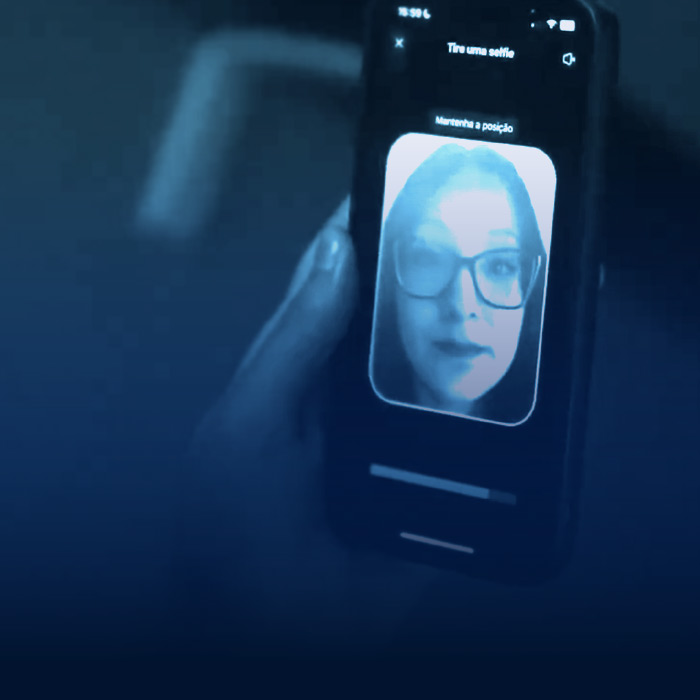
Biometric data is captured directly by smartphones, providing mobility, efficiency, and ease of use in maternity wards, hospitals, and healthcare facilities.

The system is versatile and can be used in a variety of settings: from the delivery room through to discharge from the maternity ward; at Primary Health Care Units (UBSs) for monitoring mother-infant pairs and ensuring continuity of care after hospital discharge; as well as in public safety and various government programs.

Testing at leading institutions

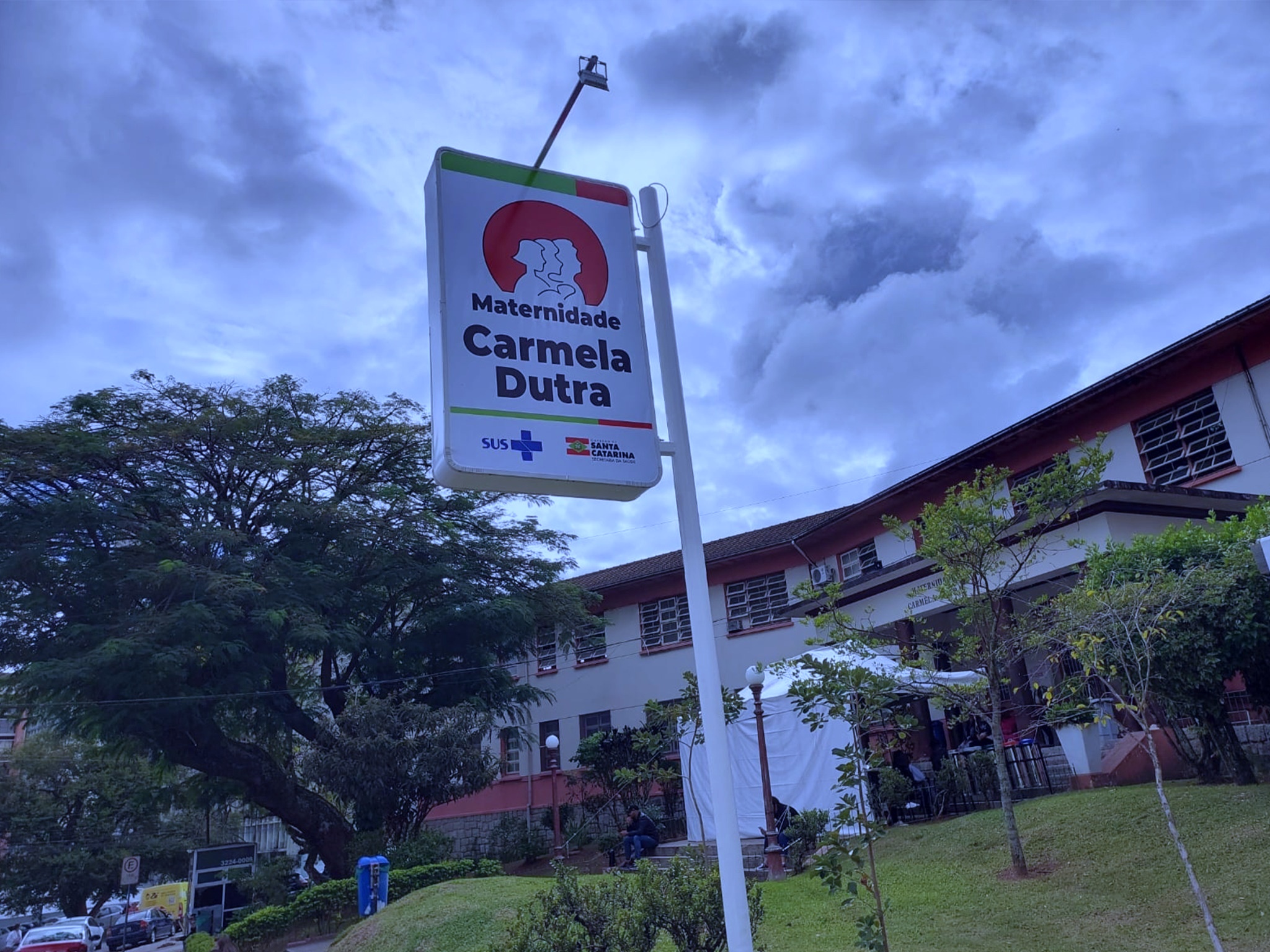
Carmela Dutra Maternity Hospital (Florianópolis, Santa Catarina)

Griaule conducted tests at the Carmela Dutra Maternity Hospital, in partnership with the Santa Catarina Forensic Police, with a focus on validating the solution in a real-world environment and integrating it with forensic processes.

CAISM – UNICAMP (Campinas, São Paulo)

The first tests of the solution were conducted to evaluate the equipment’s performance and validate the quality of the biometric data.

Protection and citizenship
from birth

Reliable civil identification from the very first day of life;

Reducing the risk of child trafficking and exploitation in maternity wards;

• Creation of a secure biometric database for lifelong identification;

• Strengthening public policies on citizenship, child protection, and social inclusion;

Prevention of fraud in access to government benefits and services;

• Support for identifying vulnerable populations or those in hard-to-reach areas.


's local solution to a global problem

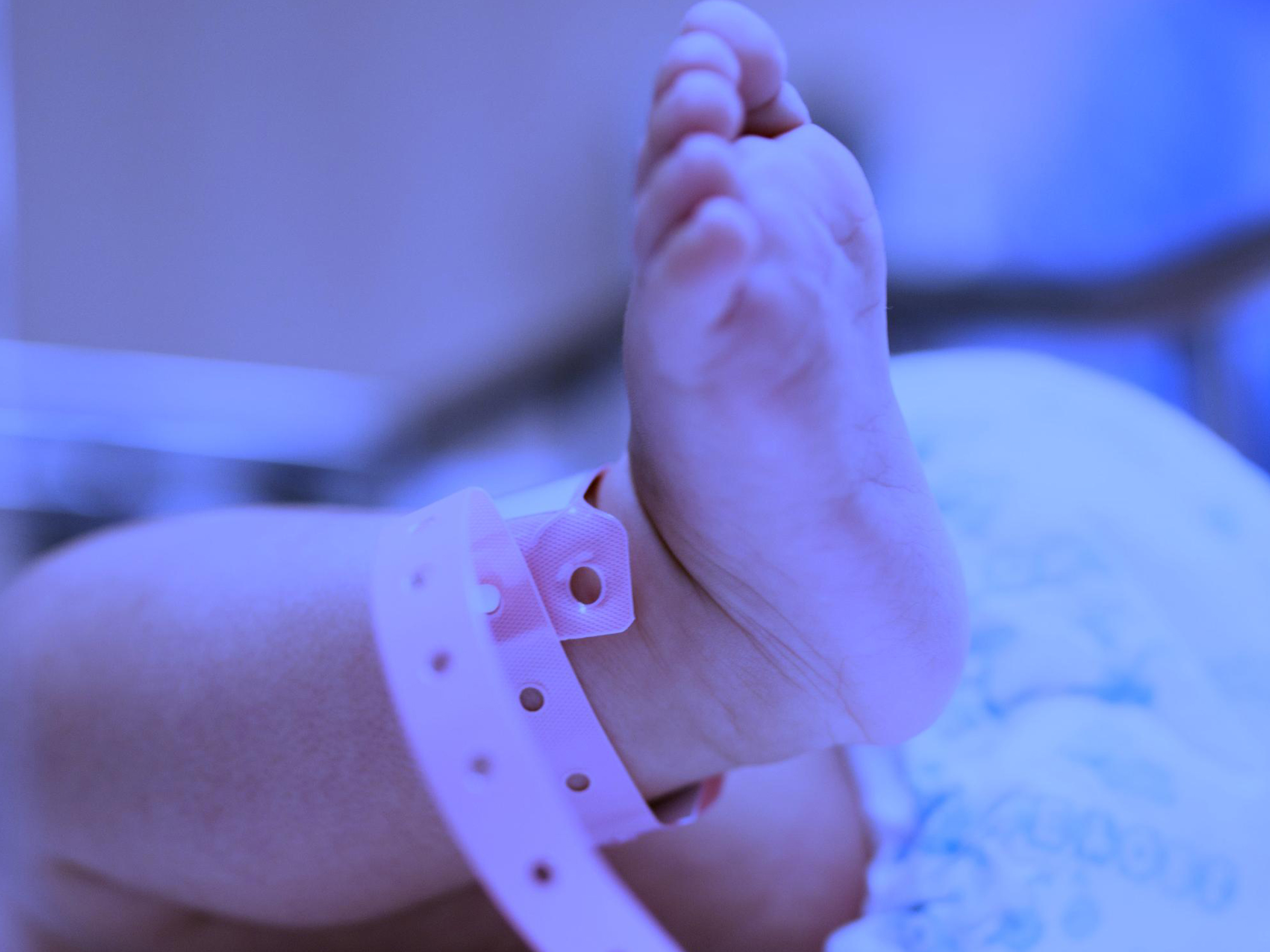
Identification at birth remains a critical issue. Even in structured environments, it relies on traditional methods such as wristbands, manual records, and visual verification, which have limitations in terms of security, traceability, and reliability. This leads to inconsistencies, hinders public policy implementation, and compromises secure identification.

Brazil has one of the largest digital government ecosystems, with initiatives such as Gov.br and the National ID Card. Even so, the development of a reliable and integrated citizen identity is lagging behind.

Globally, the challenge is even greater: millions of children lack legal identity, which limits their access to rights and services. According to UNICEF, about 25% of children under the age of five do not have a birth certificate.

Missing children

90,000 childrenhave gone missing in Brazil (2021–2025);

500,000annualregistrationsin the United States;

700 childrengo missing every day in the European Union;

850 millionpeople worldwide lack legal identification.

Source: Ministry of Justice; National Center for Missing & Exploited Children; Missing Children Europe; National Crime Records Bureau.

In line with global initiatives

Developed with a focus on security, privacy, data governance, and legal compliance, the Baby ID is aligned with the LGPD, legal frameworks, and global child protection initiatives:

• ECA (Statute of the Child and Adolescent), Law No. 8,069/1990, Art. 10, Subparagraph II — requires the identification of newborns at healthcare facilities;

Federal Constitution, Art. 227 — establishes comprehensive and priority protection for children;

UNICEF Convention on the Rights of the Child, Article 7 — guarantees registration immediately after birth;

• UN Sustainable Development Goals (SDGs), Target 16.9 — aims to ensure legal identity for all by 2030.

Areas of application

The Baby ID is an architecture for the Unified Health System (SUS) that does not require proprietary readers or dedicated infrastructure, enabling rapid, scalable, and low-cost deployment in healthcare facilities across the country. The solution is versatile and supports public policies in areas such as:

• Health;

• Public Safety and Justice;

• Digital Government;

• Citizenship;

• Education;

• Human Rights;

• Data Protection;

• Management and Control.

Talk to our experts

Find out how our biometric solutions can meet your needs. Contact our team.