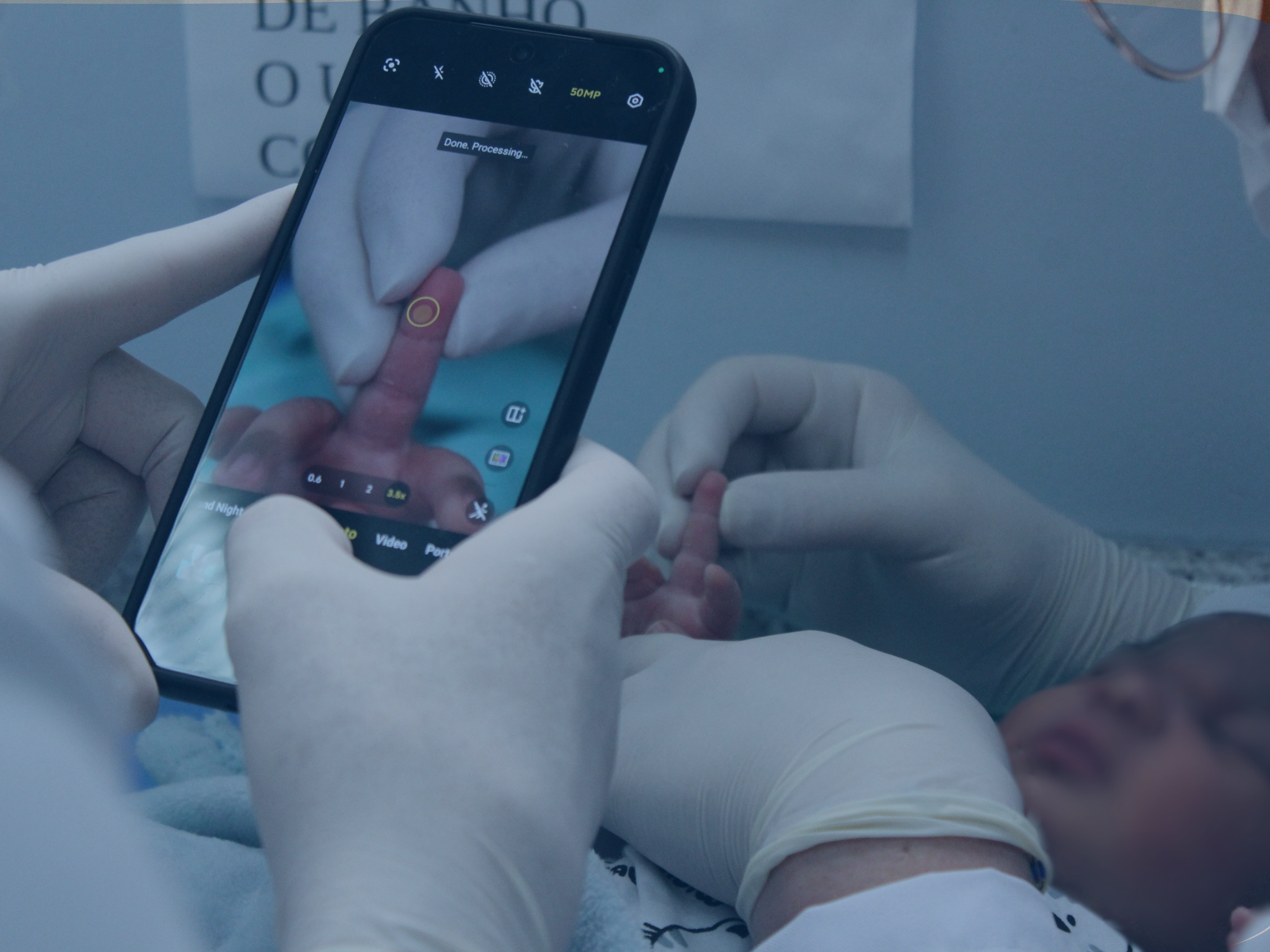
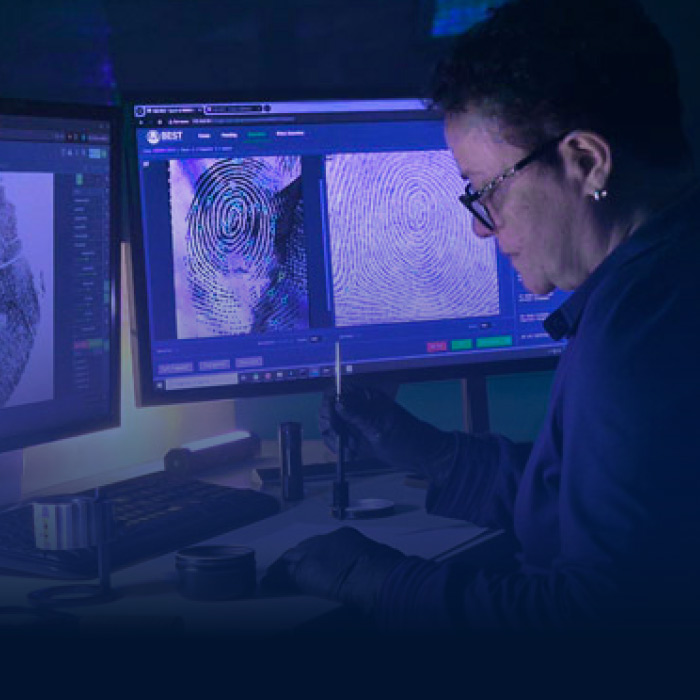
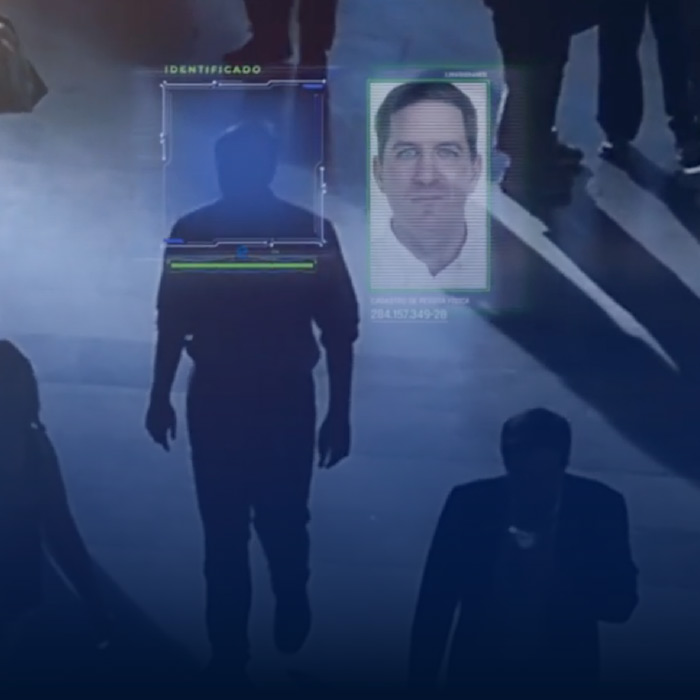
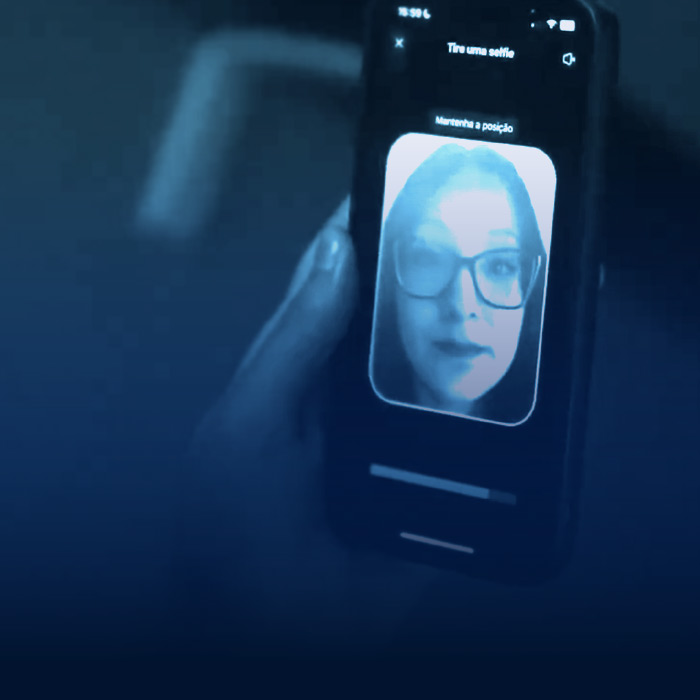
The BabyID is Griaule’s solution that combines multi-biometrics, artificial intelligence, and smartphones to identify newborns and children, establishing a direct link between the baby and their guardians.
The solution is built on fingerprint algorithms that rank among the highest-rated in the world in tests conducted by NIST (National Institute of Standards and Technology), an international authority on biometrics.
More than an innovation, BabyID is an essential identity infrastructure for building a secure, inclusive, and trustworthy digital state that recognizes every citizen from the start.

Identification at birth remains a critical issue. Even in structured settings, it relies on traditional methods—such as wristbands, manual records, and visual verification—which may have limitations regarding traceability and identification over time. This leads to inconsistencies, hinders public policy implementation, and compromises secure identification.
Brazil has one of the largest digital government ecosystems, with initiatives such as Gov.br and the National ID Card. Even so, the development of a reliable and integrated citizen identity is getting off to a late start.
Globally, the situation is even more serious. According to UNICEF, approximately 150 million children under the age of five do not have a birth certificate, which limits their access to basic rights and services.

Multibiometric data collection with BabyID occurs in three stages:
1. Guidance for families:
Presentation of the procedure and completion of the required authorizations.
2. Sanitation:
Implementation of biosafety protocols.
3. Neonatal data collection:
Registration of documents and parentage information, as well as biometric data collection for the infant.
The BabyID collects biometric data via smartphone using an app that runs directly in the browser, without relying on proprietary biometric readers. If the internet goes down, service continues as usual: the data is stored on the device itself and is automatically sent to the server when the connection is restored.
This architecture offers mobility, agility, and easy deployment in maternity wards, hospitals, health care facilities, and notary offices.

CAISM (Campinas, SP)
In 2016, the first neonatal biometrics tests of BabyID were carried out in partnership with Unicamp , evaluating the performance of the equipment and validating the quality of biometric captures of newborns.
Carmela Dutra Maternity Hospital (Florianópolis, SC)
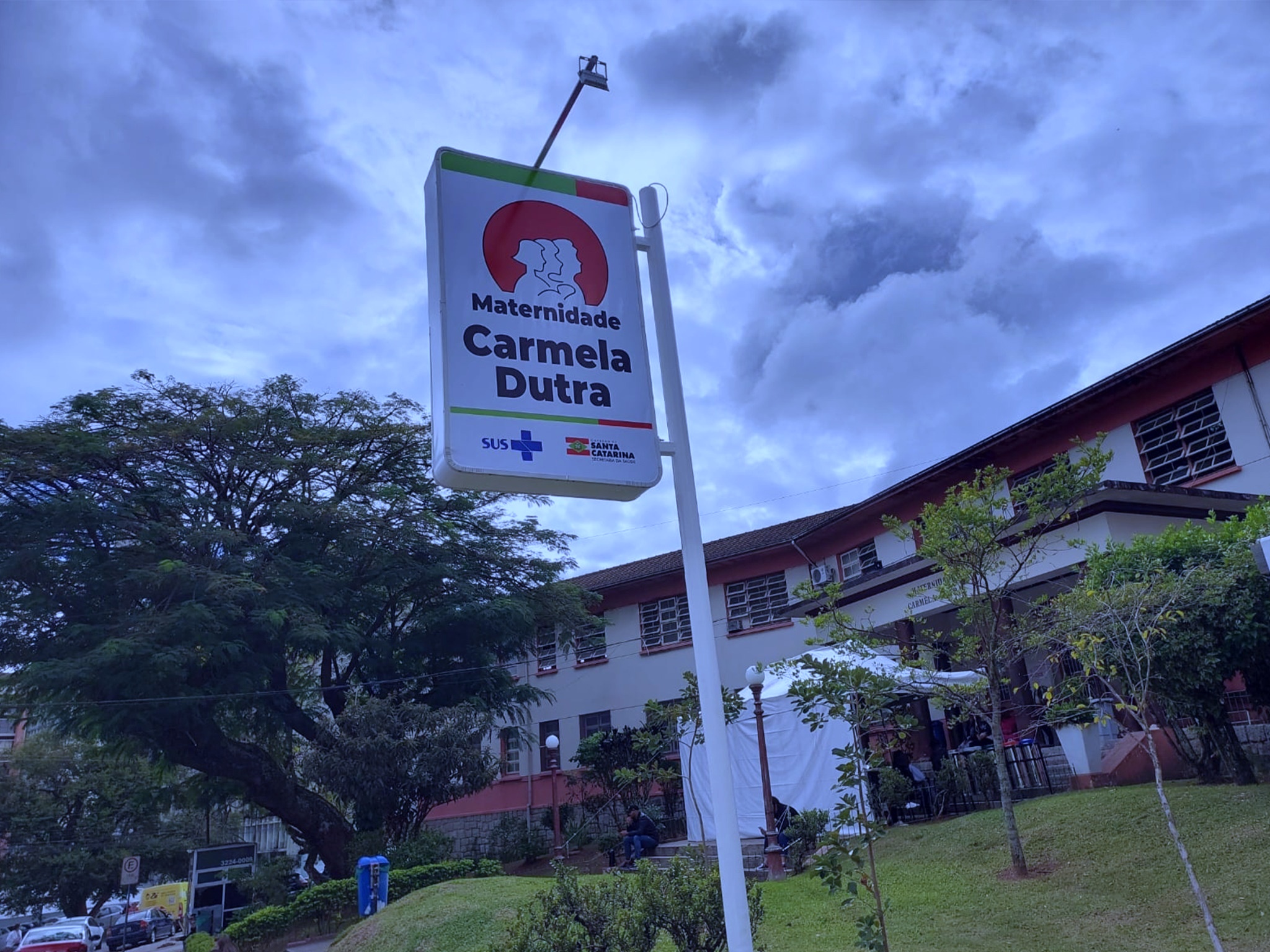
The first structured implementation of BabyID in the country, initiated in 2025 with the Scientific Police of Santa Catarina . After training the operators, the solution became integrated into the state's identification workflow and today enables the issuance of the National Identity Card from birth. The project earned PCI/SC the EPROJ/SEPLAN 2026 Award from the State Secretariat of Planning.
Dona Regina Hospital and Maternity (Palmas, TO)
In 2026, in partnership with the Tocantins Identification Institute , the pilot program brought biometric data collection into the maternity ward, resulting in the issuance of National Identity Cards for newborns even before their mothers were discharged.


The BabyID was developed to help with:
• Reliable civil identification starting on the first day of life;
• Prevention and investigation of cases involving the switching, disappearance, or misidentification of children;
• Creation of a biometric record that can follow a person throughout their life;
• Strengthening public policies on citizenship, child protection, and social inclusion;
• Combating fraud in access to government benefits and services;
• Reaching vulnerable or hard-to-reachpopulations.

The BabyID integrates with ABIS systems, allowing for the verification, deduplication, and management of identities in government databases.
The architecture supports the following biometric modalities:
• Fingerprints;
• Face;
• Iris;
• Periorbital region.
•90,000missingchildrenand adolescents in Brazil between 2021 and 2025;
• 350,000 reports of missing children under the age of 18 in the United States in 2024 alone;
• 250,000 children go missing each year in the European Union;
• 850 million people in the world lack legal identity.
Sources: Ministry of Justice and Public Security; FBI (National Crime Information Center); Missing Children Europe; World Bank (ID4D).

Developed with a focus on security, privacy, data governance, and legal compliance, BabyID is aligned with the LGPD (Brazilian General Data Protection Law), legal frameworks, and global child protection initiatives.
•ECA (Statute of the Child and Adolescent), Art. 10, subsection II: requires that healthcare facilities identify newborns by recording their footprints and fingerprints, as well as the mother’s fingerprint;
• Federal Constitution, Art. 227: guarantees children comprehensive protection, as an absolute priority;
• UN Convention on the Rights of the Child , Article 7: provides for the registration of the child immediately after birth;
• UN Sustainable Development Goals (SDGs), Goal 16.9: aims to ensure legal identity for all, including birth registration, by 2030.

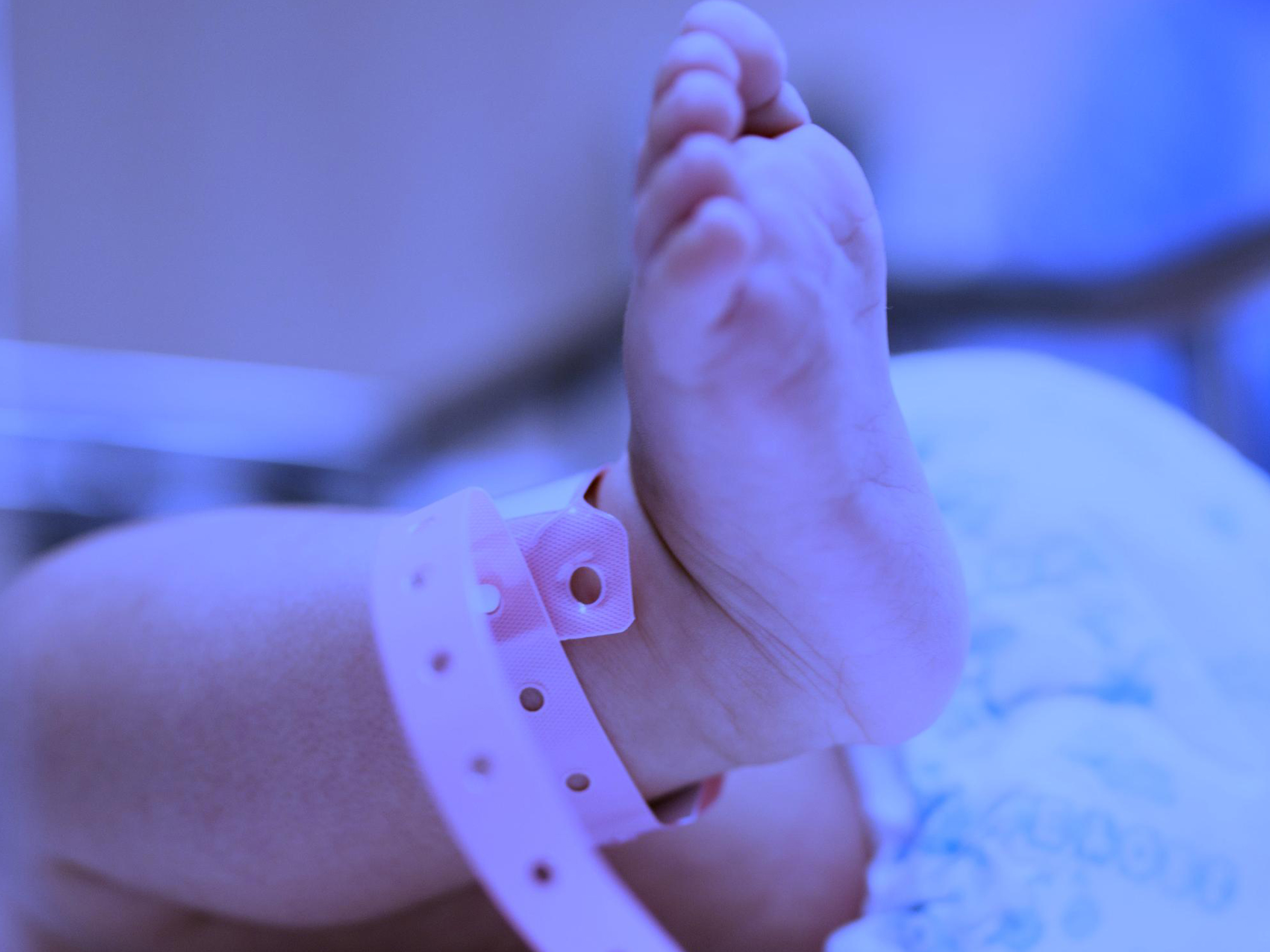
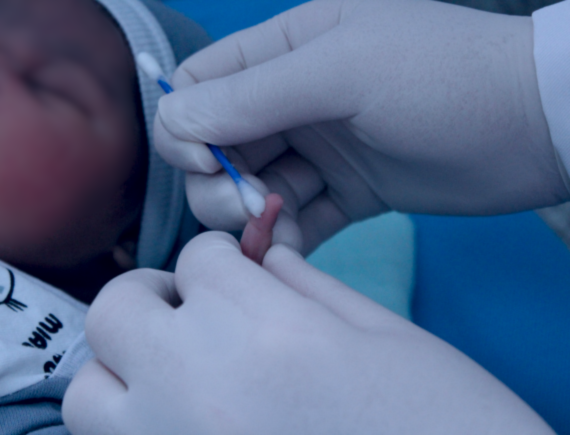
The BabyID adapts to different situations and contexts. In the maternity ward, it is present from the delivery room through discharge. At Primary Health Care Units (UBSs), it supports care for the mother-baby pair and continues care after discharge.
The solution can also be integrated with public policies in the areas of health, public safety, e-government, and civil identification, as well as government programs that rely on reliable identification.
EXPLORE OUR INTEGRATED SOLUTIONS