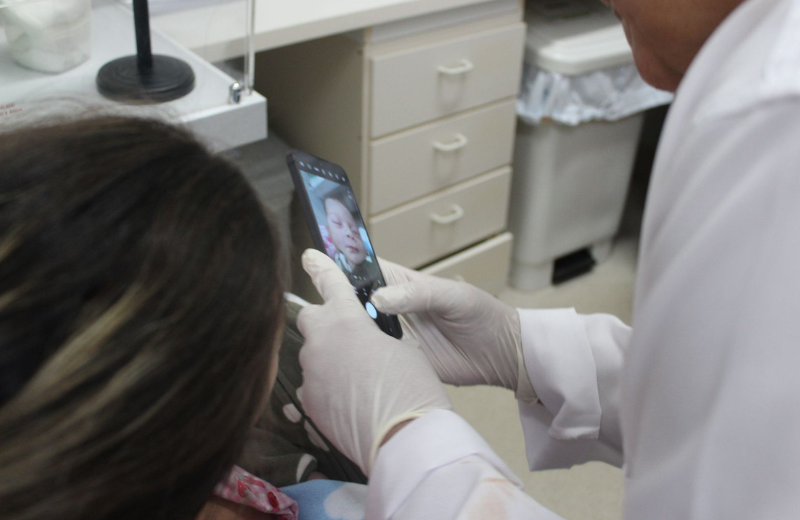
The National Institute of Information Technology (ITI) held the fifth edition of ITI Tech on Wednesday afternoon (the 25th). The initiative is part of the institute’s series of discussions and aims to foster the exchange of knowledge and experiences regarding emerging technologies, bringing together experts from various fields and institutions.
The featured topic of this edition was “Secure Identification from Birth: Innovative Neonatal Biometrics as a Public Policy Proposal,” with presentations given by representatives from Griaule: the company’s president and founder, Iron Daher, and its director of operations, Alexandre N. Rodrigues; as well as Aline Teixeira, a forensic expert with the Santa Catarina Scientific Police.
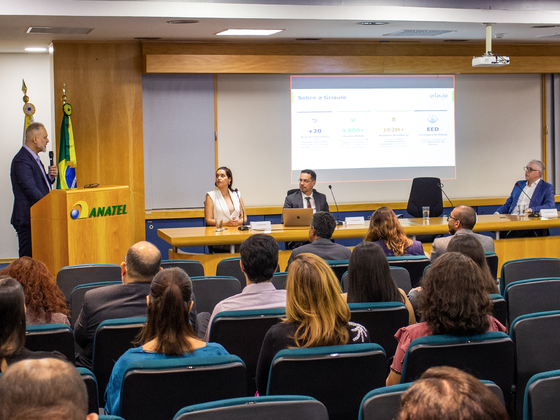
Eder Eustáquio Alves, Director of Identification Technologies at ITI and moderator of the event, highlighted the importance of the discussion and the strategic role of innovation at the institution.
“Innovation is in our DNA; it’s intrinsic to ITI. What we’re seeing now is a move to consolidate this calling by institutionalizing innovation. Given the progress we’re making, we have an opportunity to turn this natural aptitude into something enduring within the Institute,” he shared.
The program began with a presentation by Griaule CEO Iron Daher, who outlined the company’s history, its certifications, success stories, and the evolution of its digital identity over time. He also highlighted Brazil’s leading role in the field of digital government.
“It’s been more than 20 years of innovation, hard work, and dedication to putting Brazil on the global map. We are currently experiencing a period of rapid transformation, in which artificial intelligence has not only evolved but is once again revolutionizing processes. This has enabled us to make significant strides in neonatal screening in ways that were previously impossible, with a unique, innovative, and practical solution,” he said.
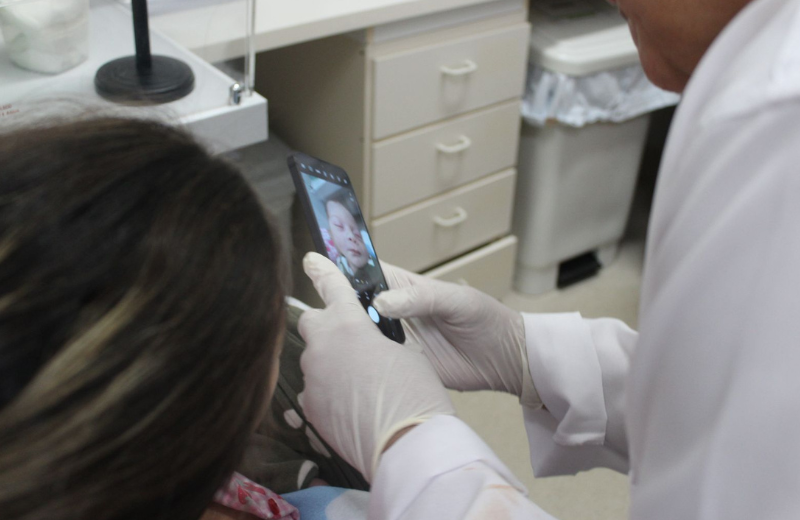
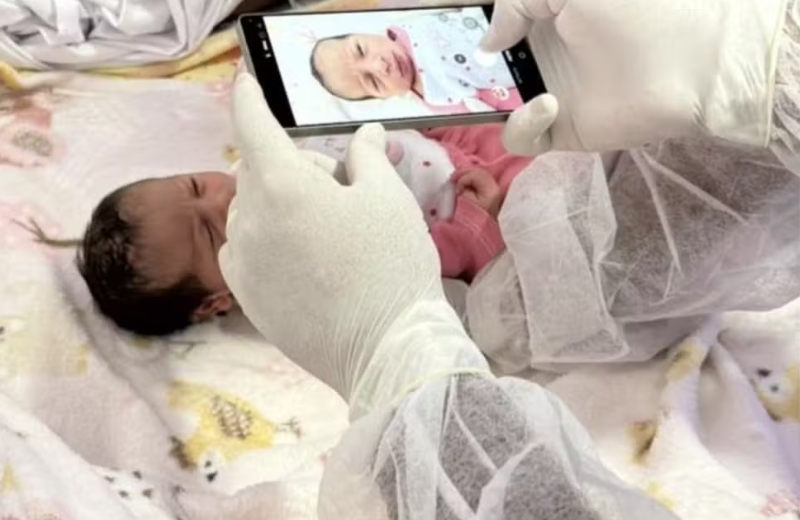
The technology in question is Griaule’s solution for the biometric identification of newborns and children using artificial intelligence and smartphones.
According to Director Alexandre N. Rodrigues, the development of the tool is directly linked to a global challenge.
“Our goal is to enable billions of people to obtain identification. It is estimated that about one billion people worldwide lack formal identification, and a significant portion of them have not yet reached adulthood. Given this situation, we view the healthcare sector as a strategic focus,” he explained.
During his presentation, the executive discussed the social impacts of the solution, such as child protection, strengthening family bonds, locating people, combating under-registration, and preventing fraud. He also highlighted the tool’s unique features, noting that its architecture was designed to operate in various healthcare settings and on different devices.
Forensic expert Aline Teixeira presented the practical results of the technology’s implementation, demonstrating its effectiveness through data and field experience. She showcased collection histograms, high recognition rates, and temporal consistency, as well as the app interface and the devices used.
“We visited families about a month after the CIN was issued. Even with the natural changes in babies—such as growth and physical changes—the system was able to correctly recognize their faces. This is extremely significant for us as technicians, but it also needs to be analyzed from the perspective of families and society.”
In this issue, the main focus was on neonatal biometric identification as a strategic tool for strengthening public policies and enhancing safety and citizenship from the very first moments of life. The technology stands out for its effectiveness, efficiency, and convenience for mothers, newborns, and healthcare professionals.
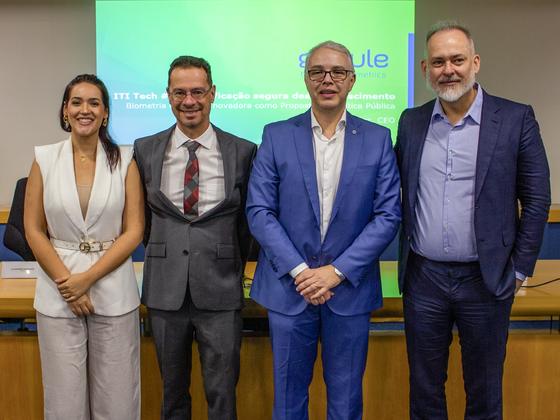
The proposal highlights the potential of neonatal biometrics compared to traditional methods, as well as its applications in areas such as public safety, healthcare, early civil identification, human rights, and data protection, while also contributing to traceability, transparency, and administrative efficiency.
This content was published on the GOV.BR website on March 26, 2026, and can be accessed at this link. A recording of the event is also available on YouTube via this link.