Photo - DICOM SSP TO
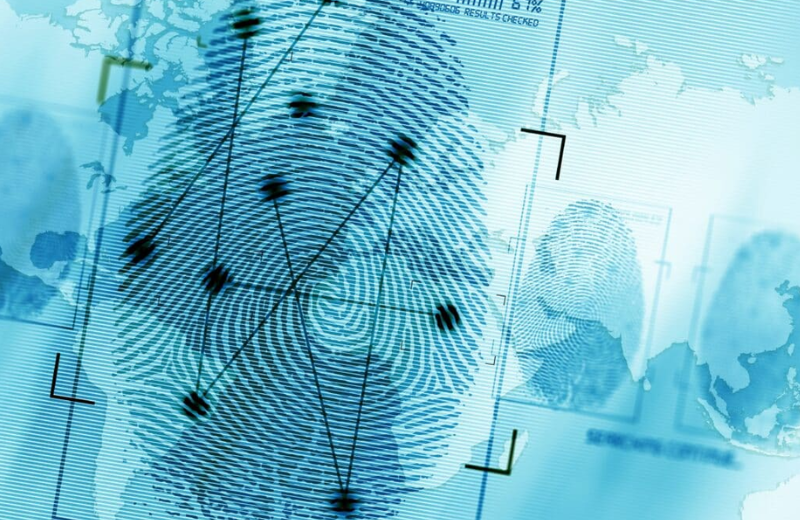
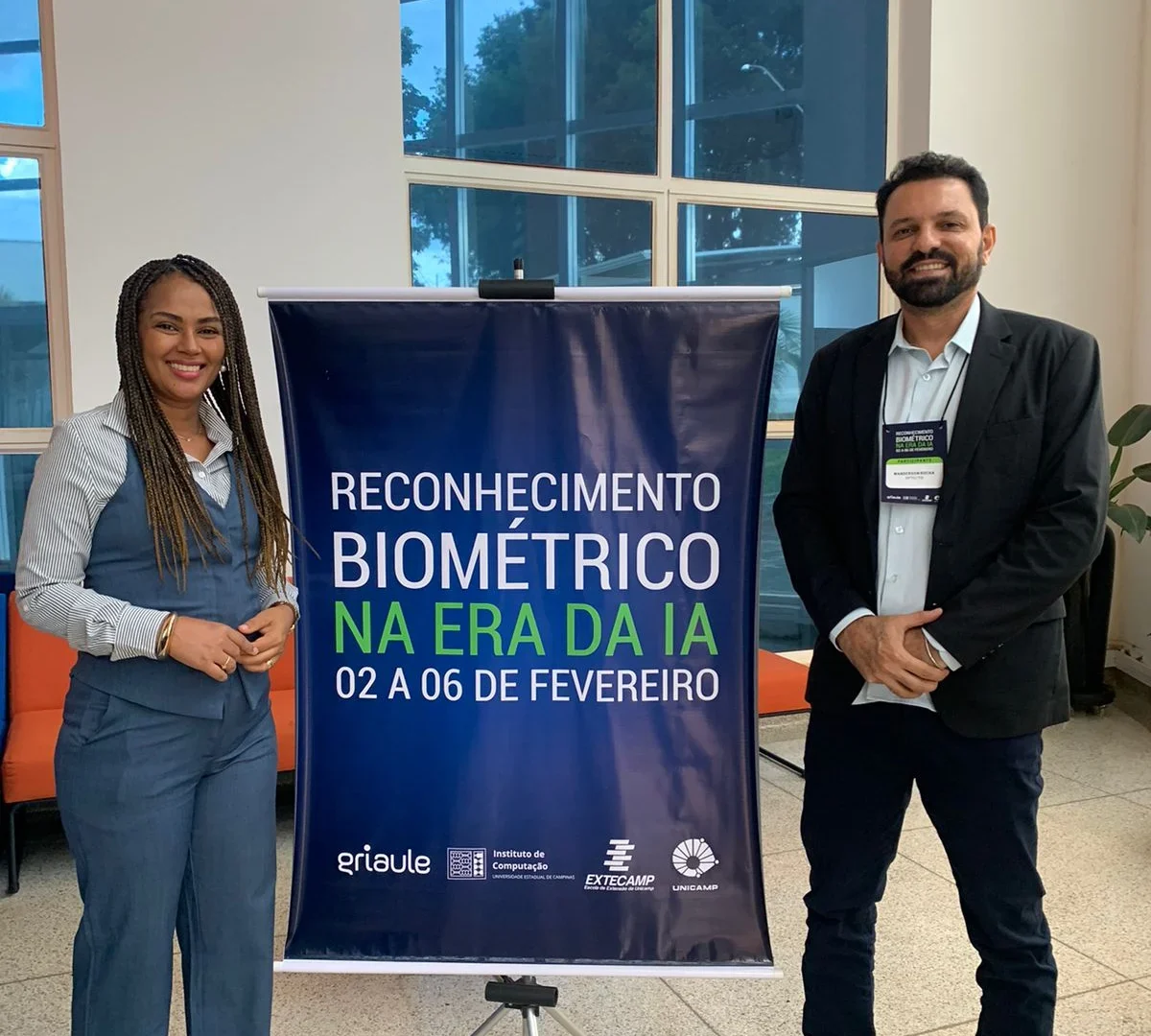
With the aim of improving technical knowledge about biometric processes in the age of artificial intelligence, applied to fingerprinting and forensic activities, the Tocantins Civil Police is participating in a course entitled "Biometric Recognition in the Age of Artificial Intelligence" from February 2 to 6 in Campinas, São Paulo.
On this occasion, the director of the Identification Institute, Elaine Monteiro Tonon, and the director of the Criminalistics Institute, Wanderson Santana Rocha, will represent the Tocantins Scientific Police at the event, which will take place at the Computing Institute of the University of Campinas – UNICAMP. It is a partnership between the university and Griaule, which is considered the largest company in the Americas specializing in biometric recognition systems, especially for identity cards.
The course has a workload of 25 hours, and the five-day program includes workshops and lectures on: Fundamentals of Biometrics and Fingerprint Recognition Techniques, Applied Fingerprint Recognition and Practice in Latent Research, Artificial Intelligence Applied to Biometrics and Practice in Neural Networks, Facial Recognition Techniques and Security in Biometric Systems, and Methodologies and Fundamentals in the Execution of Biometric Projects.
The director of the Identification Institute, Elaine Monteiro, emphasized the importance of the course, highlighting that the knowledge acquired during the event will be of great value for the actions developed by the agency in Tocantins. "The course conducted by Griaule in partnership with Unicamp brings the latest and most modern developments in the field of human identification, pointing to new directions for identification in the age of artificial intelligence," said the director.
Wanderson Santana, expert and director of the Institute of Criminalistics, reinforced the participation of Criminal Forensics in the course and emphasized that Artificial Intelligence (AI) is a technology that has been expanding rapidly in recent years. Using complex algorithms and machine learning, AI can analyze large volumes of data to identify patterns, provide specific solutions, and assist in decision-making. This technology has great potential for digital security.
“Biometric recognition in the age of Artificial Intelligence (AI) has become important for digital security and identity authentication. The integration of AI has elevated biometrics from simple fingerprint readers to sophisticated multimodal systems capable of analyzing various characteristics,” concludes the director.
This content was published by the Portal LJ website on February 4, 2026, available at this link.