“Remember Me”
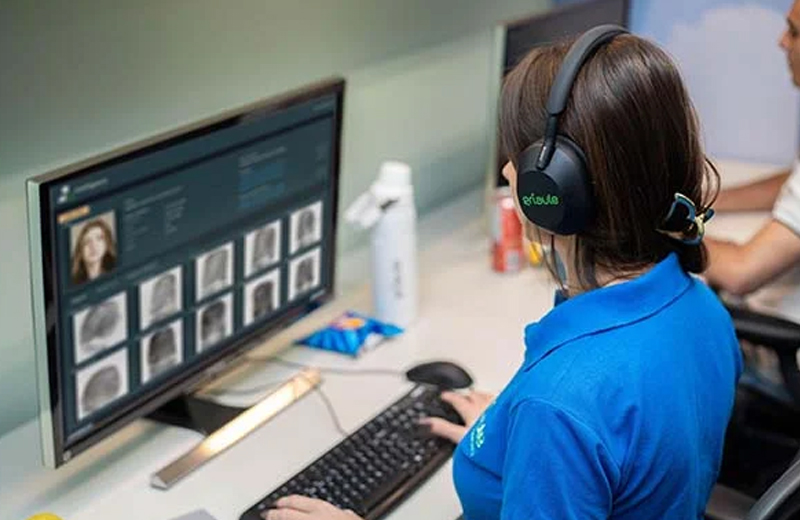
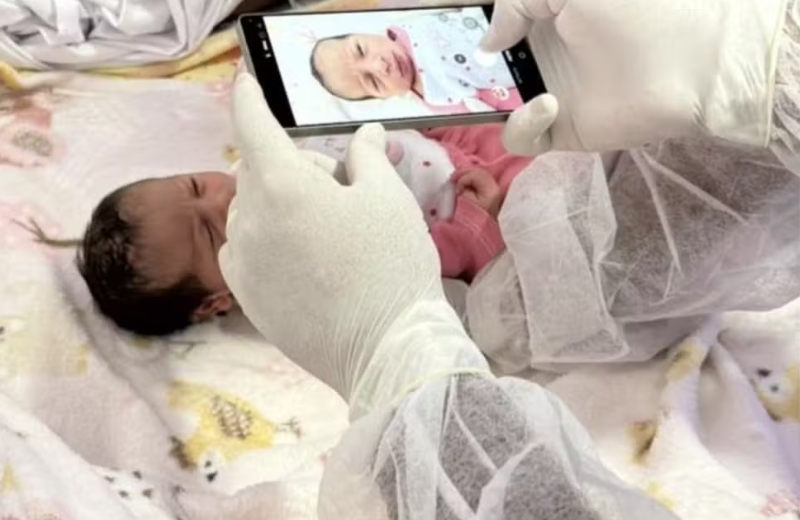
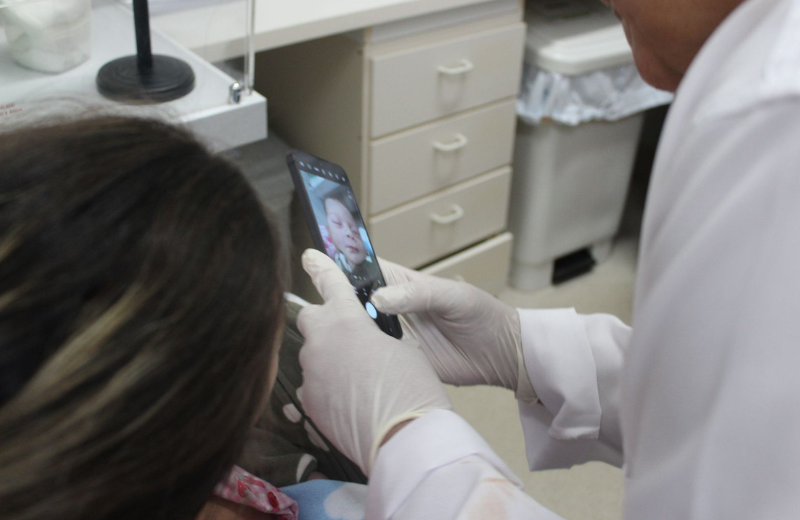
The “Remember Me” project consists of eleven civil servants and uses the Automated Biometric Identification System (Abis) developed by Griaule, which provides facial recognition technology, biometrics, and services for issuing documents and fingerprinting.
Simone explains that the tool allows biometric prints from the corpse to be cross-referenced with Politec-MT's own database, as well as those of the Federal Police and the Superior Electoral Court (TSE).
The project involves four stages: surveying all cases of unidentified missing persons; cataloging; digitizing the state's civil records; and processing these fingerprints in the local Abis system, which holds civil identification records.
In addition to these steps, the team searches coroner's reports, requests, and hospital records for evidence that may assist in the identification process.
“The first step was to develop standard operating procedures. The second was to survey these old cases. This was a challenge because these cases are not systematized in the Politec-MT system and are only available in physical versions, archived, and some records in old books,” Simone explains to Olhar Direto.
A room at the IML in Cuiabá houses documents relating to unidentified bodies that are being digitized and reviewed by "Lembre de Mim" (Remember Me).
The fingerprint expert states that the proposal is to review 400 cases of unidentified deceased persons. However, this number is only an estimate, due to the lack of systematization of regional information. "There is no way to pinpoint these numbers. But based on our experience here, working for over 24 years, we estimate that there are 400 unidentified bodies from which it was possible to collect fingerprints, not counting cases of forensic anthropology, for example. Because most of them usually arrive as bones, when it is impossible to collect [fingerprints]. Then we survey and catalog these cases, digitizing the fingerprint records. Once digitized, we process them using an automated fingerprint system," he explains.
“If we don’t find a compatible profile, a matching fingerprint that we can analyze—since the system helps, but the final word, the analysis and scientific methodology to confirm that identity, is up to the fingerprint examiner—we share those fingerprints with other states that also have Abis. Currently, 21 states have this technology,” he adds.
To strengthen the group's actions, Politec-MT signed a contract with Griaule to digitize civil records, expanding the biometric database and increasing the chance of identifying deceased individuals who remain unidentified.
With the adoption of the digitized biometric identification system, 52 people had their identities discovered from 127 cases analyzed, with deaths recorded between 2009 and 2025. Of the total number of bodies identified, 46 were through Abis and six through active search, in forensic intelligence work.
As part of the project, 24 families were located and received information about their missing relatives, as well as official documents such as death certificates. "We were able to locate these families, inform them of the death, provide humane care when issuing the death certificate, and provide all the necessary information so that they could recover the bodies, which are usually buried in public cemeteries as unclaimed."
The full content was published by the Olhar Direto news portal on November 27, 2025, available at this link.