When we lean on surfaces and hold objects, we leave behind impressions of our palms. These traces are valuable, especially at crime scenes. Homicides, thefts, robberies, and assaults can record what experts call "palm prints," revealing who has come into contact with doors, weapons, and vehicles.
This trace is even more relevant because many palm prints are left where fingerprints do not appear or are illegible, such as on uneven surfaces. It is estimated that between 25% and 30% of the traces found at crime scenes are palm prints, but today, most of these fragments are not used in investigations due to a lack of organized archives for this type of print, adequate automated systems, or professionals trained to analyze them.
If Brazil intends to tackle its low homicide clearance rate, it is essential to incorporate palm print identification technology as part of the investigation process. Only 36% of the 45,747 homicides committed in 2023 were solved, according to the Sou da Paz Institute. High-profile crimes have already been solved in Brasília based on traces left by palm prints. This was the case in the 2002 murder of Judge Irajá Pimentel, who was shot while walking alongside his wife. Play Video
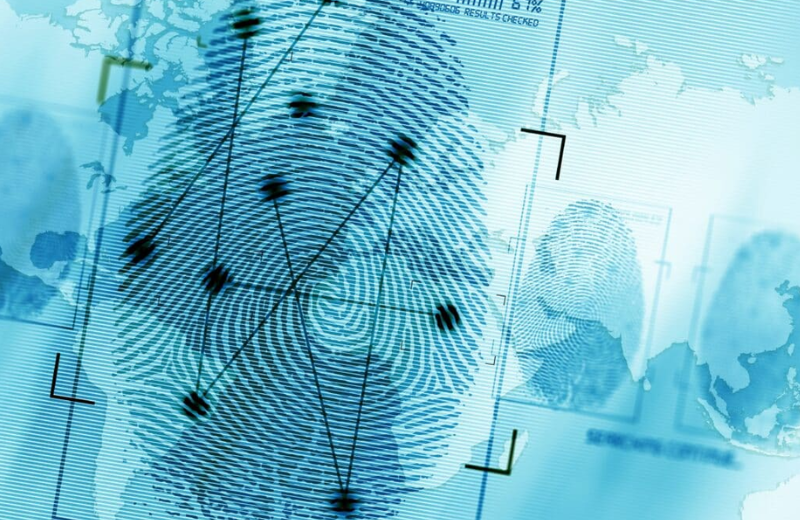
Like fingerprints, palm prints are unique and unchangeable, serving as a kind of "biological signature." Not even identical twins have the same palm prints. These patterns form during the fetal stage and remain unchanged throughout life, following the same principle as fingerprints.
I recently participated in the study "Patterns in the distal portions of the palms as a key to identifying palm prints," published in the journal of the International Association for Identification (IAI). The study analyzed the palm prints of 4,000 people from the Brazilian population and, based on the patterns identified, created a kind of "palm formula." It was the first study to statistically map and correlate these patterns from the upper region of the palm, which is most commonly found at crime scenes, making an important contribution to forensic science.
By creating this standardized database, the research allows for the automated examination of palm prints collected at crime scenes, helping investigators to identify or exclude suspects more quickly and accurately. This corrects a significant current gap in the field, which relies heavily on the experience of professionals for the research and analysis of palm prints, activities that are considered complex even for leading experts in the field.
With investments in technology and specialization of the experts involved in investigations, it would be possible to expand the inclusion of palm prints in state databases and even create a national database; cross-reference different types of evidence (fingerprints, palm prints, and facial features) in the same system and reduce the response time of forensic examinations and investigations, with a direct impact on the Brazilian drama of impunity.
This content was published by the CNN Brasil news portal on January 8, 2026, available at this link.